


-transparency-
this coffee was sourced by Caravela
COSTING AND TRANSPARENCY
How the chart works
The main purpose of this chart is to roughly illustrate the different costs involved in our coffee purchasing operations, with a focus on transparency—specifically what the producer receives and what we retain from the operation.
glossary
Farmgate: Is the price the farmer gets paid per KG or LBS of green beans.
FOB (Free on board): It represents the cost of coffee at the port of origin, ready to be shipped. It includes the cost of the green coffee beans, processing, packaging, domestic transportation to the port, and exporter's fees, but not the cost of shipping and insurance to the destination country.
We convert all the data to euro and kg for better understanding.

A craft on its own
In the heart of eastern Guatemala, where fertile valleys meet misty mountain ranges, a coffee is born that goes beyond taste—it is a living story of biodiversity, agricultural tradition, and exceptional agroecological conditions.
In Baja Verapaz, coffee grows at elevations ranging from 1,400 to 1,800 meters above sea level, under the canopy of forests that are part of the Mesoamerican dry and cloud forest biological corridor. Such biodiversity supports crop resilience and natural pollination, contributing to both sustainability and cup quality.
The region’s volcanic and limestone soils are rich in potassium, phosphorus, and calcium, enhancing nutrient absorption in coffee plants. Combined with an average temperature of 16–20?°C and relative humidity around 75%, the high elevation slows down cherry maturation, promoting the development of complex sugars and organic acids.
Coffee-growing communities—primarily from the indigenous Poqomchi’ and Q’eqchi’ peoples—practice regenerative agriculture, using diversified shade, preserving water microbasins, and hand-picking only ripe cherries. Over 80% of producers farm fewer than 2 hectares, allowing for careful and artisanal crop management.
excelence

processing
Harvesting is done selectively by lot and variety, with each one processed separately. Only cherries at peak ripeness are picked, then depulped and sorted using flotation to separate by density. The coffee undergoes a prolonged fermentation—ranging from 36 to 48 hours depending on the weather—followed by washing, a final flotation, and drying on nylon sheets. There are also plans to begin transitioning to raised bed drying.
The natural coffees begin with farmers selecting the plot and variety, selectively picking the cherries, and floating them to remove lower-density ones. The fermentation process is then carried out in plastic bags for 24 to 72 hours, after which the coffee is transferred to raised beds or nylon sheets to dry.
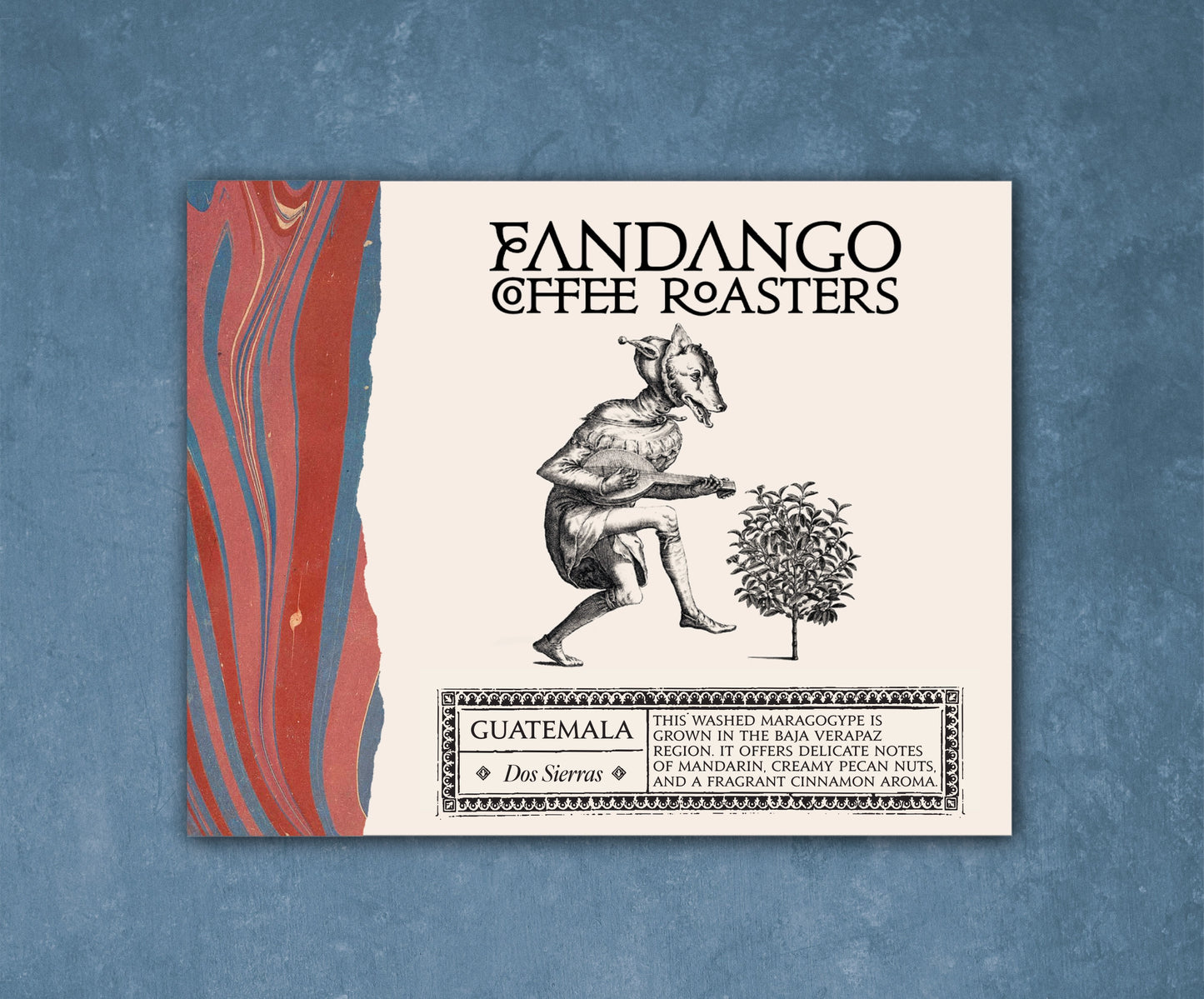
Maragogype
[ dos sierras / Jaime Morales Milian / finca el mirador ].

